1.What sweet liquid do worker bees collect from flowers?
APollen
BNectar
CDew drops
DSap
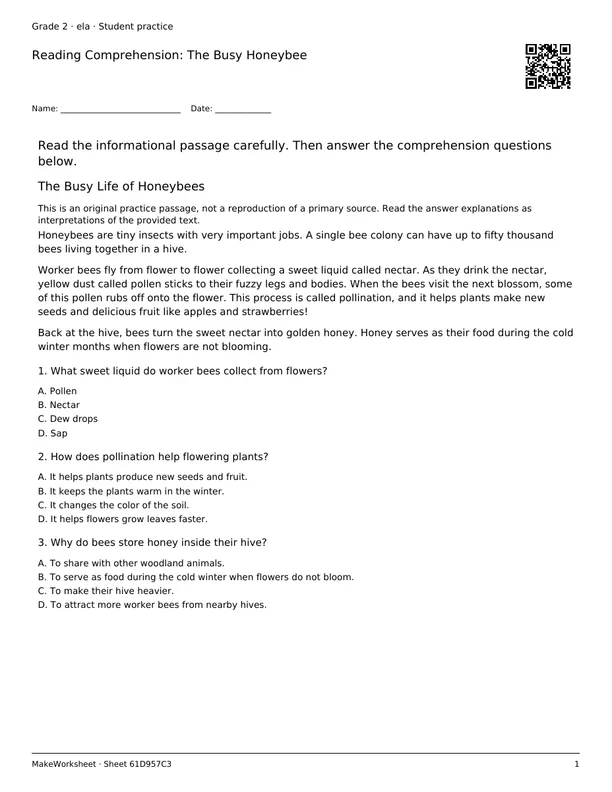
Engaging second-grade informational text passage about honeybees and pollination, followed by 3 Common Core comprehension questions.
The same content with a different order. No new questions are added. Choose “Save as PDF” in your browser’s print window to keep a copy.
0 practice pages · 0 answer pages. Pages are added automatically when needed. Question content and answer keys stay together.
Grade 2 · ela · Matching answer key included · US Letter and A4
Downloads contain the original practice. Use the workbench above for new questions and custom printing.
Read short informational sentences or listen to them with support.
An answer about nectar must come from the passage; a detail about pollen may answer a different question.
Explain a bee's role in pollination using a detail from the passage.
This is an original practice passage, not a reproduction of a primary source. Read the answer explanations as interpretations of the provided text.
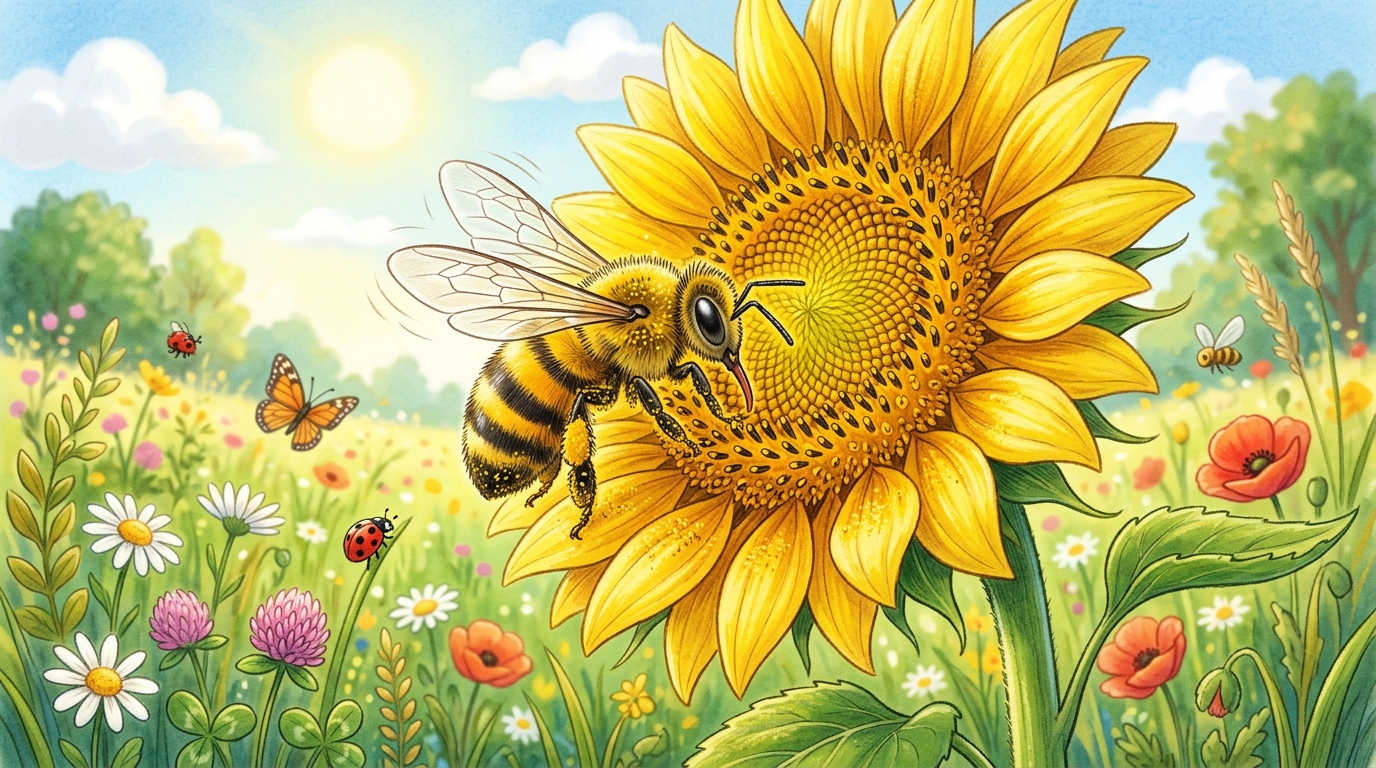
Honeybees are tiny insects with very important jobs. A single bee colony can have up to fifty thousand bees living together in a hive.
Worker bees fly from flower to flower collecting a sweet liquid called nectar. As they drink the nectar, yellow dust called pollen sticks to their fuzzy legs and bodies. When the bees visit the next blossom, some of this pollen rubs off onto the flower. This process is called pollination, and it helps plants make new seeds and delicious fruit like apples and strawberries!
Back at the hive, bees turn the sweet nectar into golden honey. Honey serves as their food during the cold winter months when flowers are not blooming.
What sweet liquid do worker bees collect from flowers?
Answer: B. Paragraph 2 states: 'Worker bees fly from flower to flower collecting a sweet liquid called nectar.'
Intended curriculum references: CCSS.ELA-LITERACY.RI.2.1. These references describe learning goals; they are not endorsements.
Published 2026-10-02; updated 2026-10-02. Original MakeWorksheet practice. Automated consistency checks support publication; independent subject-specialist review is not recorded. Read our editorial policy.
 Practice preview
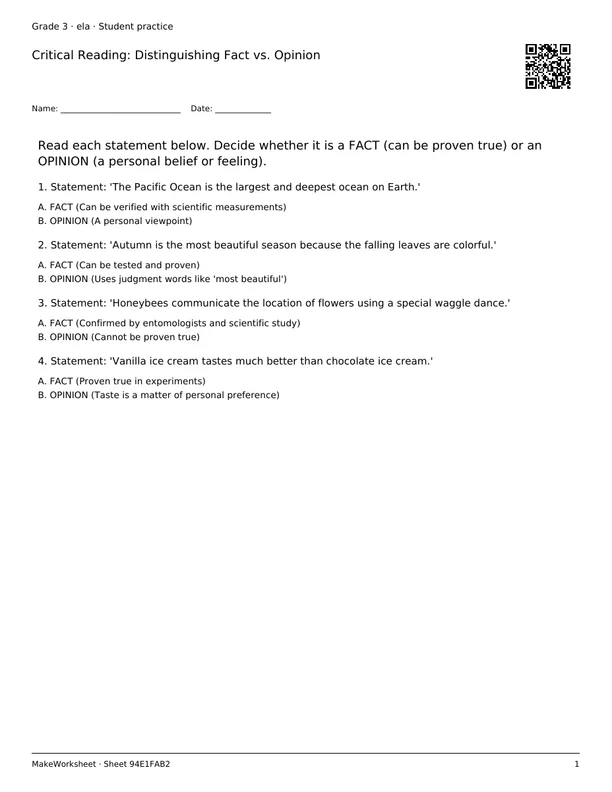
Learn to tell verifiable factual statements apart from feelings and personal opinions in informational texts with answer key.
 Practice preview
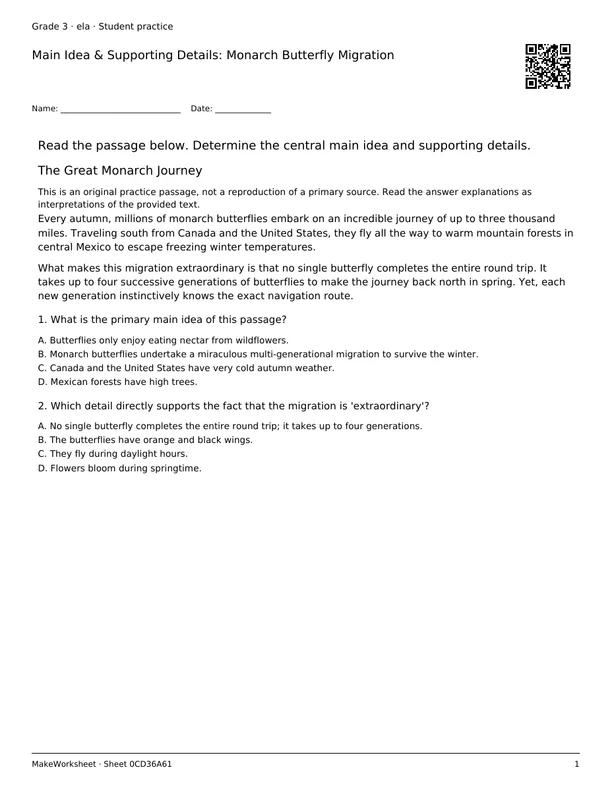
Master identifying central main ideas versus supporting evidence in informational text about the miraculous multi-generational monarch migration.
 Practice preview
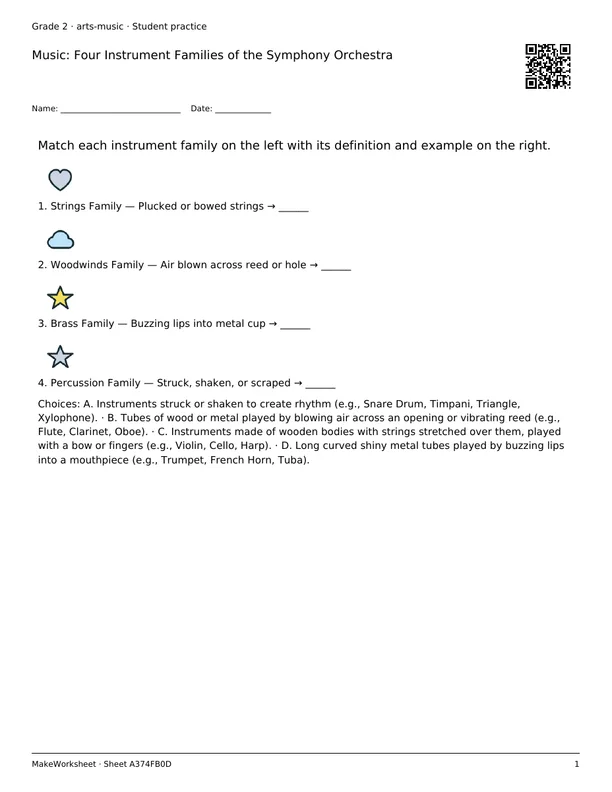
Sort musical instruments into Strings, Woodwinds, Brass, and Percussion based on how they produce sound. Includes full answer key.
 Practice preview
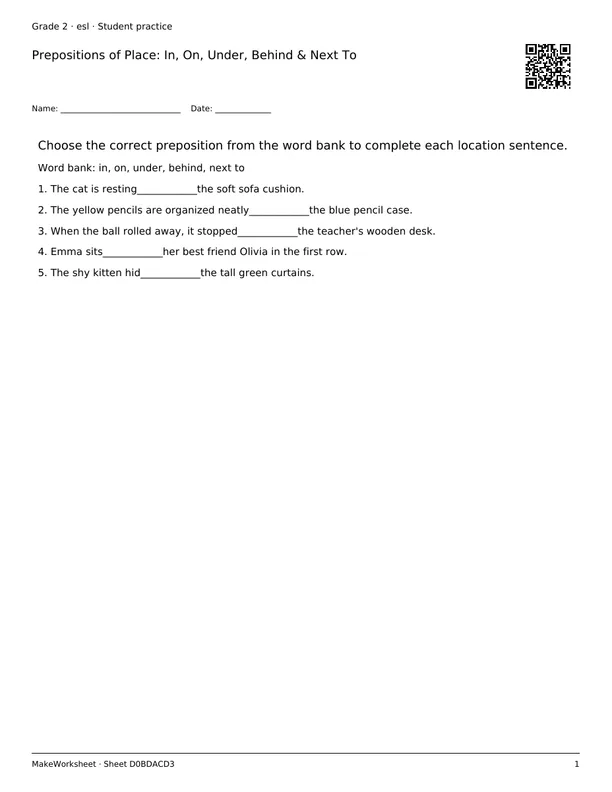
Spatial English grammar for ESL learners. Practice locating objects using in, on, under, behind, and next to with picture-oriented cues.